A Comprehensive Guide to Choosing the Best Flexible Heater for Your Needs
Understanding Flexible Heaters and Their Applications
What Are Flexible Heaters?
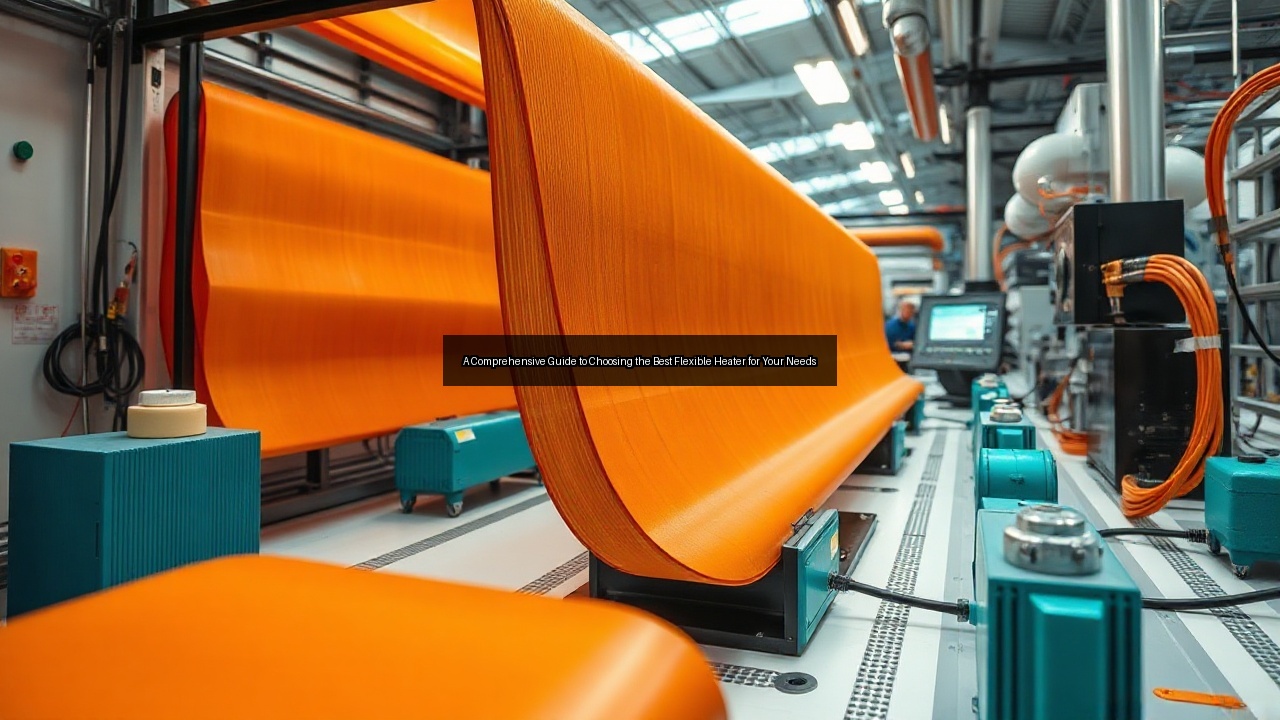
Flexible heaters are innovative devices designed to provide heat in a variety of applications. Unlike traditional rigid heaters, these heaters offer remarkable adaptability, allowing them to conform to uneven surfaces and fit into tight spaces. Typically made from materials like silicone rubber, Kapton, and Teflon, flexible heaters are engineered to deliver efficient heat distribution while maintaining lightweight properties. Their versatility makes them ideal for a range of settings, from industrial machinery to medical devices. The primary components of flexible heaters include a heating element embedded within the flexible material, which allows for uniform heating across the surface. This design maximizes thermal efficiency and minimizes energy waste, making flexible heaters an excellent choice for various heating needs.
Common Uses in Various Industries
Flexible heaters find applications across numerous sectors due to their efficiency and versatility. In the aerospace industry, they help maintain optimal temperatures for sensitive instruments and components, ensuring reliable performance in extreme environments. The automotive sector utilizes flexible heaters for defrosting windshields and warming seats, enhancing driver comfort during cold weather. In the medical field, these heaters play a crucial role in maintaining the temperature of biological samples and ensuring the proper functioning of equipment like incubators and blood warmers. Furthermore, flexible heaters are employed in electronics, where they prevent condensation on sensitive components and ensure consistent performance. Their ability to provide localized heating makes them indispensable across diverse applications.
Military Applications of Flexible Heaters
The military sector leverages flexible heaters for various critical applications. These heaters ensure that electronic equipment, communication devices, and other vital systems function optimally in harsh environmental conditions. For example, flexible heaters can protect batteries from freezing, enhancing reliability during operations in extreme cold. Additionally, they are used in heated clothing and gear, providing soldiers with comfort and improved mobility in frigid conditions. Military vehicles also benefit from flexible heating solutions, ensuring that equipment remains operational regardless of external temperatures. The adaptability and efficiency of flexible heaters make them a valuable asset in military engineering, contributing to enhanced operational effectiveness and soldier safety.
Types of Flexible Heating Elements
Silicone Rubber and Its Benefits
Silicone rubber stands out as a popular material for flexible heaters due to its excellent thermal stability and flexibility. It can withstand extreme temperatures, ranging from -60°C to 200°C, making it suitable for various applications. The incredible flexibility of silicone rubber allows it to conform to irregular surfaces without compromising heating efficiency. Moreover, it is resistant to moisture and chemicals, enhancing durability in demanding environments. Manufacturers electric heaters often incorporate silicone rubber in medical and industrial applications, where reliability and performance are critical. Its lightweight nature also contributes to overall system efficiency, making silicone rubber-based flexible heaters a preferred choice for engineers looking for effective heating solutions.
Kapton and Teflon: Material Comparisons
Kapton and Teflon represent two of the most commonly used materials in the production of flexible heating elements. Kapton, known for its high-temperature resistance, can operate effectively at temperatures up to 260°C. This makes it ideal for applications requiring consistent performance in extreme heat. Teflon, on the other hand, offers excellent chemical resistance and low friction properties, providing a unique advantage in specific applications. While both materials present benefits, the choice between Kapton and Teflon often hinges on the specific requirements of the application, such as temperature range, chemical exposure, and mechanical flexibility. Understanding these differences aids engineers in selecting the most suitable material for their heating needs.
Flexible Circuits and Thermocouples in Design
Flexible circuits and thermocouples play a pivotal role in the design and functionality of flexible heaters. A flexible circuit integrates the heating element into a thin, pliable substrate, allowing for unique shapes and configurations that traditional heaters cannot achieve. This adaptability enhances the usability of heating solutions across various applications. Thermocouples, essential sensors for temperature measurement, provide real-time feedback, enabling precise control of heating elements. By integrating thermocouples into flexible heater designs, manufacturers ensure optimal performance and safety. The combination of flexible circuits and thermocouples fosters innovative solutions, pushing the boundaries of what flexible heaters can accomplish in engineering and manufacturing.
Selecting the Right Flexible Heater for Your Needs
Key Considerations When Choosing a Heater
Selecting the right flexible heater involves several key considerations. First, define the application requirements, including the temperature range, surface area to heat, and the environment in which the heater will operate. Understanding these factors helps in choosing the right material—whether silicone rubber, Kapton, or Teflon. Next, consider the power density required for effective heating. This refers to the amount of heat produced per unit area and is critical for applications needing rapid heating. Additionally, evaluate the heater's power supply and its compatibility with existing systems. Finally, take into account any space constraints, as flexibility in design can significantly influence installation and performance. Making informed choices during this selection process ensures optimal heating solutions tailored to specific needs.
Using a Calculator to Determine Heating Requirements
Utilizing a calculator to determine heating requirements simplifies the selection process for flexible heaters. This tool helps in calculating the necessary wattage based on the desired temperature increase and the area to be heated. By inputting factors such as material properties, ambient temperatures, and heat loss considerations, users can obtain accurate estimates for power requirements. Calculators provide insights into how different configurations will perform, allowing engineers to make data-driven decisions. Understanding these calculations not only aids in selecting the right heater but also enhances overall energy efficiency. Accurate assessments ensure that the chosen flexible heating solution meets performance expectations while minimizing energy consumption and operational costs.
Understanding Ohm's Law in Heating Applications
Ohm's Law plays a fundamental role in the operation of flexible heaters. This principle, which states that voltage equals current times resistance (V=IR), helps engineers understand how electrical heating elements function. In heating applications, a clear grasp of Ohm's Law facilitates the design and analysis of circuits, ensuring that heaters operate within safe parameters. By manipulating voltage, current, and resistance, one can optimize the heating performance and achieve desired temperature levels efficiently. Understanding the relationship between these variables assists in troubleshooting and enhances the reliability of flexible heating solutions in various applications. Incorporating these principles into the design process ensures that flexible heaters operate effectively and safely.
Innovative Solutions in Flexible Heating Technology
Emerging Trends in Flexible Heating
Innovations in flexible heating technology continue to evolve, driving advancements across various industries. One of the most significant trends is the integration of smart technology into flexible heaters. This includes the use of sensors and IoT connectivity, enabling real-time monitoring and control of heating elements. Smart heaters can adjust their output based on environmental conditions, enhancing energy efficiency and performance. Another trend involves the development of advanced materials that offer improved thermal conductivity and durability. Manufacturers are exploring composites and hybrid materials that combine the benefits of traditional heating elements with modern flexibility. These advancements not only improve the functionality of flexible heaters but also expand their applicability in niche markets, showcasing a promising future for flexible heating solutions.
Minco’s Contributions to Flexible Heating Solutions
Minco has established itself as a leader in the field of flexible heating solutions. The company’s commitment to innovation has resulted in a wide range of flexible heaters designed for various applications, including aerospace, medical, and industrial uses. Minco focuses on creating tailored solutions that meet specific customer needs, employing advanced materials and technologies to enhance performance. Their products often incorporate features like precise temperature control and rapid response capabilities, making them suitable for demanding environments. By continually investing in research and development, Minco drives the evolution of flexible heating technology, ensuring that their solutions remain at the forefront of the industry. This dedication to quality and innovation solidifies Minco's reputation as a trusted partner in flexible heating applications.
The Future of Flexible Heating in Engineering
The future of flexible heating in engineering holds immense potential as industries seek more efficient and adaptable heating solutions. Ongoing research into advanced materials and technologies will likely yield breakthroughs that enhance performance and reduce energy consumption. The integration of artificial intelligence and machine learning into flexible heating systems may revolutionize how these devices operate, allowing for predictive maintenance and smarter energy management. Additionally, the growing emphasis on sustainability will drive the development of eco-friendly heating solutions that minimize environmental impact. As engineers embrace these innovations, flex heaters the application of flexible heaters will expand, finding new roles in emerging fields such as renewable energy and smart manufacturing. The evolution of flexible heating technology promises to deliver unprecedented efficiency and adaptability, shaping the future landscape of engineering.
See Also
- Unlocking the Power of Flexible Heaters for Innovative Engineering Designs
- Understanding Ohm's Law in the Context of Flexible Heating Elements
- The Advantages of Flex Heaters in Compact and Portable Devices
- The Science Behind Flexible Heaters and Their Thermocouple Integration
- Flexible Heating Solutions for Challenging Environments and Applications