Evaluating the Strength of Girth Welds in Extreme Conditions
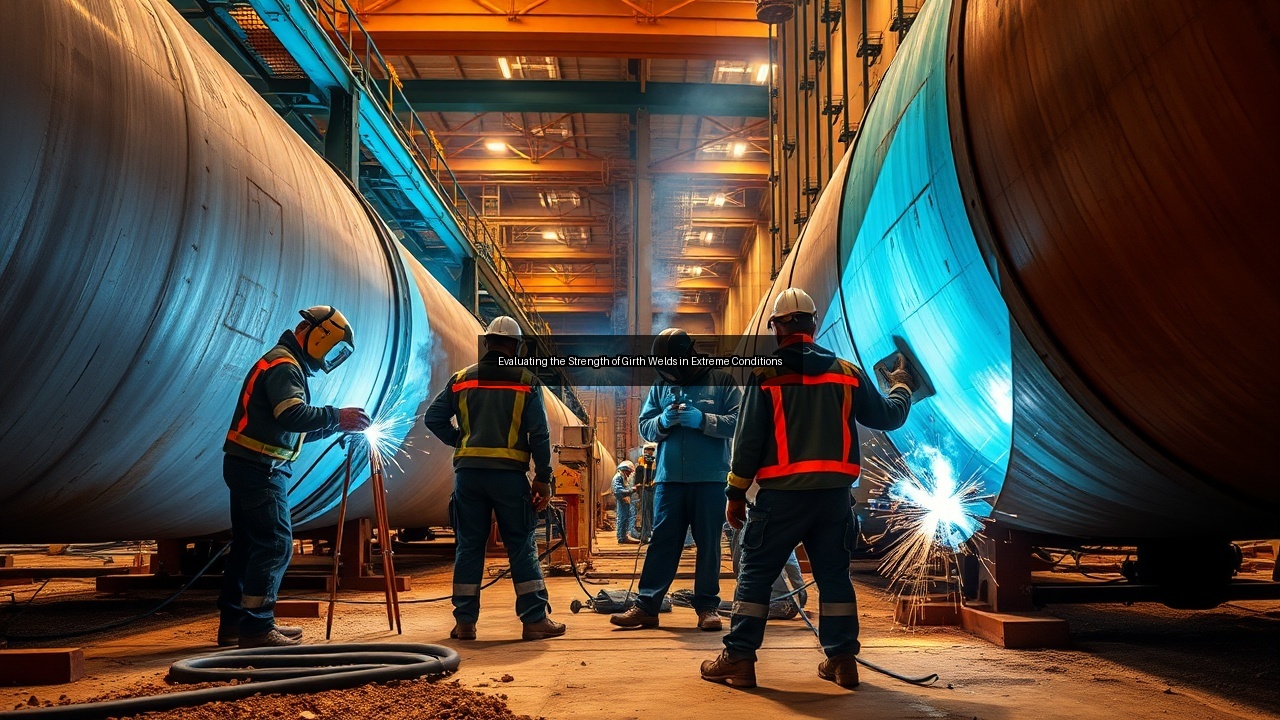
Understanding Girth Welds in Pipeline Construction
Definition and Importance of Girth Welds
Girth welds play a pivotal role in pipeline construction, serving as the joints that connect individual pipe sections. These welded joints ensure the structural integrity and continuous flow of the transported materials, whether they be oil, gas, or water. A strong girth weld minimizes the risk of leaks and failures, which can have catastrophic consequences in terms of safety and environmental impact. In high-pressure applications, the strength of girth welds becomes even more crucial, making their evaluation a priority in engineering and construction sectors. Proper girth weld procedures not only enhance the lifespan of pipelines but also ensure compliance with industry standards and regulations.
Common Materials Used in Girth Welding
Pipeline girth welding typically employs materials like carbon steel, alloy steel, and stainless steel, each chosen for specific applications based on their mechanical properties. Carbon steel remains the most widely used material due to its excellent weldability and strength. Alloy steels, which contain elements like chromium or nickel, offer enhanced resistance to temperature fluctuations and corrosion. Stainless steel is gaining traction in applications requiring higher corrosion resistance, particularly in offshore and chemical pipelines. The choice of welding materials directly influences the performance and durability of the girth welds, necessitating careful consideration during the pipeline construction process.
Challenges in Girth Welding under Extreme Conditions
Welding under extreme conditions presents unique challenges that can compromise the quality of girth welds. High temperatures can lead to thermal distortion, while low temperatures may increase the risk of brittle fracture. Additionally, environmental factors such as moisture and contaminants can introduce defects in the welds, affecting their integrity. The presence of corrosive elements further complicates matters, as they can lead to premature deterioration of the weld. Welders must be equipped with the right techniques and tools to address these challenges, employing rigorous welding inspection protocols to ensure the strength and reliability of girth welds in demanding environments.
Evaluating the Strength of Girth Welds
Factors Affecting Weld Strength
The strength of girth welds depends on several interrelated factors. First, the welding technique employed significantly influences the quality of the joint. Techniques like shielded metal arc welding and gas tungsten arc welding offer different advantages and can produce varying results in terms of weld integrity. Second, the skill of the welder plays a critical role; experienced welders are more adept at achieving optimal penetration and minimizing defects. Third, the quality of the base materials and filler metals directly affects the weld's mechanical properties. Factors such as joint preparation and cleanliness also contribute to achieving strong welds. Understanding these elements is essential for ensuring reliable girth welds in pipeline construction.
Non-Destructive Testing Methods for Weld Inspection
Non-destructive testing (NDT) methods provide essential tools for evaluating the integrity of girth welds without compromising their structure. Ultrasonic testing, for example, uses high-frequency sound waves to detect internal flaws, providing a detailed analysis of the weld's quality. Radiographic testing involves X-rays or gamma rays to visualize the internal structure of the weld, identifying any voids or inclusions. Other methods, such as magnetic particle testing and dye penetrant testing, focus on surface defects. Implementing these NDT techniques during welding inspection ensures early detection of potential issues, allowing for timely corrective measures that preserve the strength and safety of the pipeline.
Importance of Weldability in Girth Welds
Weldability refers to the ease with which a material can be welded and subsequently exhibit acceptable mechanical properties. In the context of girth welds, selecting materials with high weldability is crucial. Materials that are difficult to weld often lead to problems such as cracking, porosity, and reduced strength. Evaluating weldability involves considering factors such as chemical composition, heat treatment, and microstructure. For instance, carbon steels generally exhibit good weldability, while certain alloys may require preheating to prevent distortion or cracking. Understanding weldability helps engineers make informed decisions regarding material selection and welding procedures, ultimately enhancing the integrity of girth welds in pipelines.
Advanced Techniques in Girth Weld Inspection
Ultrasonic Testing: Principles and Applications
Ultrasonic testing (UT) stands out as a preferred method for girth weld inspection due to its accuracy and versatility. This technique employs high-frequency sound waves to penetrate the weld material, producing echoes that reveal internal defects. By analyzing the time it takes for the sound waves to return, inspectors can determine the location and size of any flaws, such as cracks or voids. UT proves particularly useful in assessing the integrity of girth welds in pipelines operating under extreme conditions, where traditional methods may fall short. Furthermore, advancements in ultrasonic testing technology, such as phased array systems, allow for more detailed inspections, improving overall weld quality and reliability.
Friction Stir Welding: A Game Changer for Girth Welds
Friction stir welding (FSW) has emerged as a revolutionary technique in girth welding, particularly for materials that are challenging to weld using conventional methods. This solid-state welding process involves the use of a non-consumable tool that generates frictional heat, softening the material and allowing it to be joined without reaching its melting point. FSW offers several advantages, including reduced distortion, improved mechanical properties, and enhanced corrosion resistance. The ability to weld thick sections of materials makes FSW an attractive option for pipeline applications, where strength and durability are paramount. As the industry continues to explore friction stir welding, its potential to improve girth welds becomes increasingly apparent.
Role of Corrosion Resistance in Weld Integrity
Corrosion resistance plays a crucial role in maintaining the integrity of girth welds, particularly in pipelines exposed to harsh environments. Corrosion can weaken welds over time, leading to failures and leaks that pose significant safety and environmental risks. Selecting materials with inherent corrosion resistance, such as stainless steel or specially coated carbon steels, becomes essential. Furthermore, applying corrosion inhibitors or protective coatings during the welding process can enhance the longevity of the weld. Regular inspections and maintenance programs focusing on corrosion monitoring ensure that girth welds remain intact, safeguarding the girth weld joint pipeline's operational efficiency and reliability.
Future Trends in Girth Welding and Inspection
Innovations in Welding Materials: The Role of Stainless Steel
Innovations in welding materials continue to shape the landscape of girth welding, with stainless steel gaining prominence. Its exceptional corrosion resistance, strength, and longevity make it an ideal choice for pipelines in aggressive environments. Advances in stainless steel alloys enhance weldability, allowing for easier and more effective girth weld procedures. The development of duplex stainless steels, which combine the benefits of both austenitic and ferritic structures, showcases the potential for improved performance in pipeline applications. As industries seek more sustainable and durable solutions, the demand for advanced welding materials will likely drive further research and development in the field of girth welding.
Emerging Technologies in Weld Inspection
The future of girth weld inspection lies in the adoption of emerging technologies that enhance accuracy and efficiency. Robotics and automation are making their way into the welding inspection process, allowing for consistent and precise evaluations of welds. Machine learning algorithms are being developed to analyze inspection data, enabling predictive maintenance and risk assessment. Additionally, portable inspection devices and advanced imaging techniques are becoming more prevalent, providing real-time feedback. These innovations not only streamline the inspection process but also improve the overall quality and reliability of girth welds in pipeline construction.
Literature Review: Current Research and Developments
Recent literature highlights the growing body of research focused on girth welding and inspection methods. Studies explore new welding techniques, material advancements, and the latest developments in inspection technologies. Research findings emphasize the importance of understanding the mechanical behavior of welded joints under various conditions and the need for standardized testing procedures to ensure reliability. As the industry evolves, collaboration between academia and industry practitioners becomes essential for sharing knowledge and best practices. Staying abreast of current research developments allows professionals to implement cutting-edge techniques, ultimately enhancing the strength and safety of girth welds in pipeline construction.