How Accurate is Your Diesel Fuel Gauge and Why It Matters
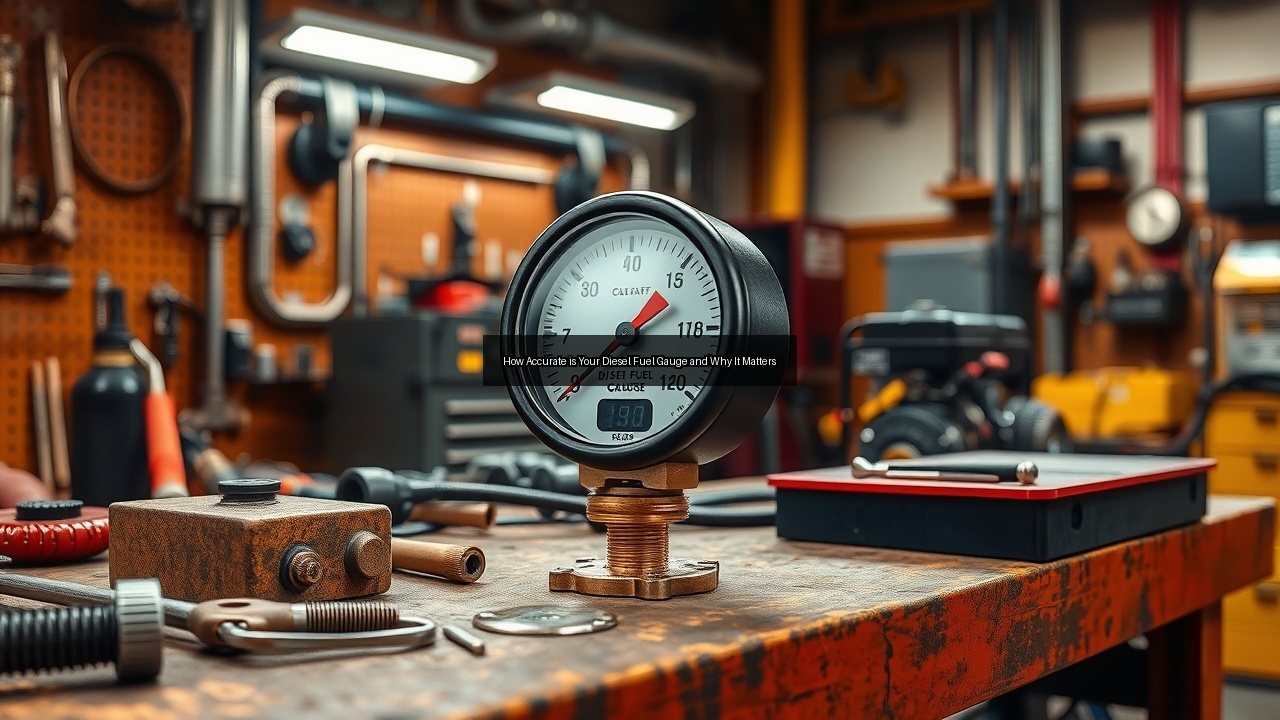
Understanding Diesel Fuel Tank Gauges
How Diesel Fuel Gauges Work
Diesel fuel tank gauges play a crucial role in monitoring the fuel level within diesel tanks. These gauges operate using various mechanisms to provide accurate readings, ensuring that diesel engines receive the necessary fuel for optimal performance. Traditional gauges often rely on float mechanisms that move up and down with fuel levels, providing a direct reading on a dial or digital display. More advanced systems utilize sensors that transmit data to a central monitoring unit, allowing for real-time tracking of fuel levels.
In essence, these gauges measure the dielectric constant of the fuel, which varies with the fuel level. When the tank is full, the sensor detects a higher dielectric constant; as the fuel level drops, the constant decreases. This technology ensures that operators can monitor fuel levels accurately, preventing unexpected shortages that could disrupt operations. Understanding how diesel fuel gauges function is vital for anyone relying on diesel engines, whether in vehicles, generators, or industrial settings.
Types of Diesel Fuel Tank Gauges
Several types of diesel fuel tank gauges exist, each suited to different applications and settings. Mechanical gauges, which often feature a simple dial, are common in smaller tanks and vehicles. These gauges are straightforward and rely on a float mechanism, making them easy to install and maintain. On the other hand, electronic gauges provide more precise readings and can integrate with other systems for enhanced monitoring.
Digital gauges display information on LED or LCD screens, offering features such as fuel level tracking, alerts for low fuel, and sometimes even fuel temperature readings. These systems often connect to monitoring software, allowing for remote access to fuel data. Additionally, ultrasonic gauges use sound waves to measure fuel levels, providing an accurate and reliable method of measurement without any moving parts. Each type of gauge has its benefits and drawbacks, making it essential to choose the right one based on specific needs.
Common Issues with Diesel Fuel Gauges
Despite their importance, diesel fuel tank gauges can experience several issues that may compromise their accuracy. One common problem is the calibration drift, where the gauge provides incorrect readings over time. This drift can result from factors such as temperature changes, sediment buildup, or wear and tear on the gauge components. Regular calibration checks are necessary to ensure accurate measurements.
Another issue involves the presence of fuel contaminants, which can affect the float's movement and lead to erroneous readings. In addition, electrical faults in electronic gauges can cause failure or erratic behavior. Operators must be vigilant in monitoring their gauges and addressing any discrepancies immediately. Understanding these common issues can help prevent costly operational disruptions due to fuel shortages or engine performance problems.
Importance of Accurate Measurement
Impact on Diesel Engine Performance
Accurate measurement of diesel fuel levels directly influences diesel engine performance. Insufficient fuel can lead to engine stalling, reduced power output, and increased wear and tear on engine components. When operators misjudge fuel levels due to faulty gauges, they risk running out of fuel at critical moments, especially during long hauls or in remote areas. A well-functioning diesel fuel tank gauge ensures that the engine receives the necessary fuel supply, promoting efficient operation and longevity.
Moreover, accurate fuel monitoring helps optimize fuel efficiency. When operators have a clear understanding of how much fuel they are using, they can make informed decisions about routes, loads, and maintenance schedules. This knowledge contributes to better overall performance and cost-effectiveness, as operators can avoid unnecessary trips to refuel and minimize idle time. Ultimately, the reliability of diesel fuel gauges plays a pivotal role in maintaining the health of diesel engines.
Compliance with EPA Regulations
Accurate measurement of diesel fuel levels is essential for compliance with Environmental Protection Agency (EPA) regulations. These regulations govern the storage and use of diesel fuel, particularly concerning environmental impact and emissions control. Operators must ensure that their fuel systems do not leak or spill, and maintaining accurate fuel levels helps prevent overfilling and subsequent environmental hazards.
By using reliable diesel fuel tank gauges, operators can monitor fuel usage and identify potential leaks or irregularities quickly. This vigilance aids in adhering to regulations and avoiding costly fines. Compliance with EPA standards not only protects the environment but also enhances a company's reputation and operational integrity. Therefore, investing in high-quality fuel gauges is not just a matter of convenience; it is a critical responsibility for any operator handling diesel fuels.
Role in Maintenance and Monitoring
Accurate fuel measurement is integral to effective maintenance and monitoring of diesel engines and tanks. Regularly tracking fuel levels allows operators to schedule maintenance proactively and address issues before they escalate. For instance, if a diesel fuel tank gauge indicates low levels more frequently than expected, it could signal a problem such as a leak or increased consumption due to engine inefficiency.
Additionally, consistent monitoring of fuel levels assists in analyzing fuel efficiency trends. Operators can collect valuable data over time, identifying patterns that may indicate performance issues or the need for adjustments. This data-driven approach to maintenance not only enhances engine performance but also extends the lifespan of diesel fuel tanks and associated equipment. Accurate monitoring becomes a cornerstone of a comprehensive maintenance strategy, ultimately saving time and money in the long run.
Calibration and Maintenance of Diesel Fuel Gauges
Tools for Calibration
Calibrating diesel fuel tank gauges ensures accurate fuel level readings, which is vital for operational efficiency. Operators can use various tools for calibration, including calibration kits specifically designed for fuel gauges. These kits typically diesel tank gauge include a reference gauge, calibration fluid, and other necessary accessories. Using a reference gauge allows for comparison against the existing gauge, identifying any discrepancies that require adjustment.
Digital gauges often come with built-in calibration features, enabling operators to recalibrate without external tools. However, mechanical gauges may require more hands-on intervention. Regular calibration checks, ideally every few months, can prevent issues related to fuel mismanagement. By investing in proper calibration tools and techniques, operators can ensure their diesel fuel tank gauges remain reliable and accurate, safeguarding engine performance and efficiency.
Regular Maintenance Practices
Regular maintenance of diesel fuel gauges is essential for sustaining their accuracy and functionality. Operators should inspect gauges routinely for signs of wear, damage, or corrosion. For mechanical gauges, ensuring that the float mechanism operates smoothly is critical. Any obstructions or buildup can hinder its movement, leading to incorrect readings.
For electronic gauges, examining electrical connections and sensor functionality is vital. Loose connections can cause erratic readings or complete failures. Additionally, operators should clean the fuel tank periodically to remove sediment and contaminants that could interfere with gauge performance. Establishing a maintenance schedule that includes these practices ensures that diesel fuel tank gauges operate optimally, contributing to overall system reliability and efficiency.
Data Tracking for Fuel Efficiency
Data tracking is a powerful tool for enhancing fuel efficiency in diesel engines. By monitoring fuel levels consistently, operators can analyze consumption patterns and identify areas for improvement. Many modern diesel fuel tank gauges feature data logging capabilities, allowing for detailed tracking of fuel usage over time.
Utilizing this data, operators can make informed decisions about operational adjustments, such as optimizing routes or modifying engine settings for better fuel efficiency. This proactive approach not only reduces fuel costs but also minimizes the environmental impact of diesel usage. By leveraging data effectively, operators can ensure their diesel engines run more efficiently, maximizing the return on their fuel investments.
Applications Beyond Vehicles
Use in Generators and Farm Equipment
Diesel fuel tank gauges extend their utility beyond vehicles, finding critical applications in generators and farm equipment. Many generators rely on diesel for power, particularly in remote locations or during emergencies. Accurate fuel level monitoring ensures that generators operate without interruption, maintaining essential services in crucial situations. diesel tank gauges
In agricultural settings, diesel fuel tank gauges are vital for farm equipment, such as tractors and harvesters. These machines often consume significant amounts of diesel, making accurate monitoring essential for efficiency and productivity. Farmers can track fuel usage to optimize operations, ensuring they have enough fuel on hand to complete tasks without delays. Both sectors benefit from the reliability of diesel fuel tank gauges, which contribute to consistent performance and operational success.
Monitoring Diesel Exhaust Fluid Levels
Beyond fuel levels, monitoring diesel exhaust fluid (DEF) levels is equally important for diesel engines equipped with selective catalytic reduction (SCR) systems. DEF helps reduce emissions, and accurate measurement of its levels is crucial for compliance with EPA regulations. Just as with diesel fuel tank gauges, operators can utilize dedicated gauges or integrated systems to track DEF levels effectively.
Maintaining proper DEF levels prevents engine derating and ensures optimal performance. Operators must adhere to recommended fluid levels, as running low on DEF can lead to significant operational issues. Monitoring systems that integrate both diesel fuel and DEF levels provide a comprehensive overview of engine health and compliance, making them invaluable tools for any diesel-powered operation.
Fuel Management in Industrial Settings
In industrial settings, effective fuel management is essential for operational efficiency and cost control. Diesel fuel tank gauges play a critical role in this management process by providing accurate readings that inform purchasing decisions and inventory management. Companies can analyze fuel usage data to predict future needs, reducing the risk of stockouts or excess inventory.
Moreover, advanced fuel management systems often incorporate diesel fuel tank gauges into a broader suite of monitoring tools. These systems can track fuel levels, consumption rates, and even emissions, providing a comprehensive view of fuel management within the organization. By optimizing fuel use, industries can enhance productivity, lower costs, and comply with environmental regulations more effectively. Accurate monitoring becomes a linchpin in successful fuel management strategies across various sectors.
See Also
- Why Diesel Fuel Tank Gauges are Key for Generators and Heavy Machinery
- Common Issues with Diesel Fuel Gauges and How to Fix Them
- Calibrating Your Diesel Tank Gauge for Peak Engine Performance
- The Essential Guide to Understanding Diesel Fuel Tank Gauges
- Maintaining Compliance with EPA Standards for Diesel Fuel Gauges