Choosing the Right Diameter for Your Anti Vibration Rubber Mounts
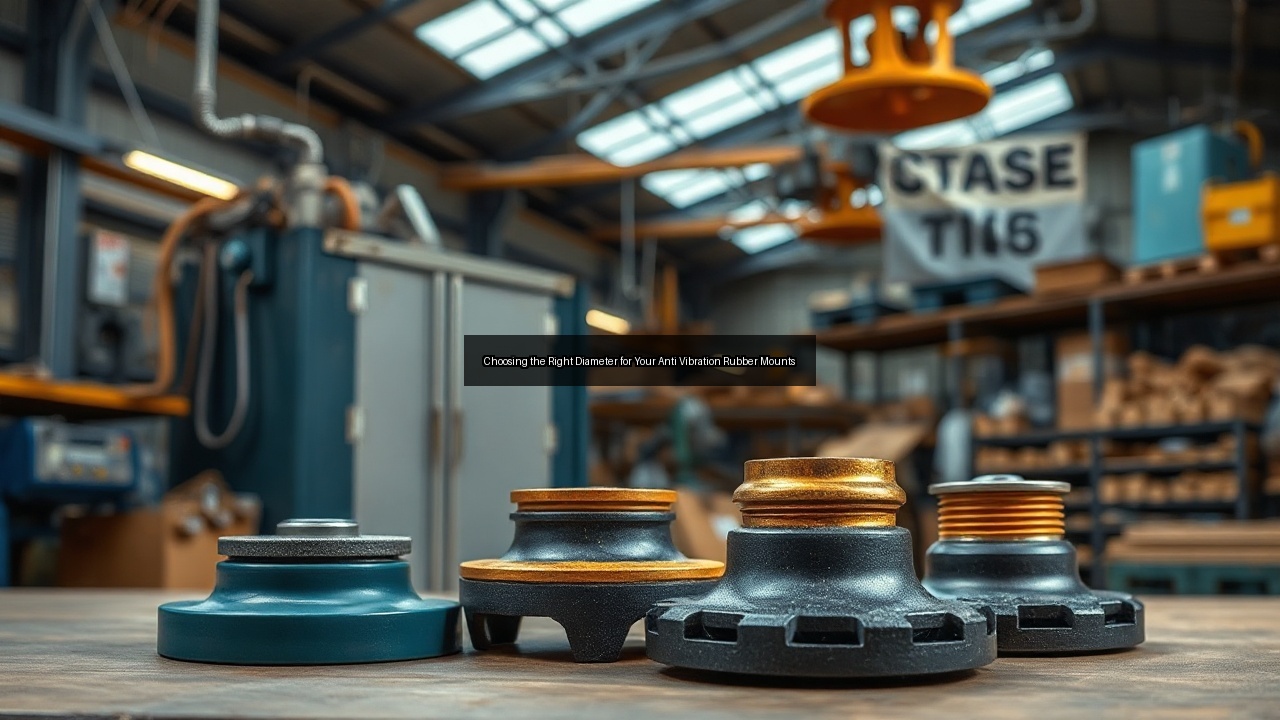
Understanding Anti Vibration Rubber Mounts
What are Anti Vibration Rubber Mounts?
Anti vibration rubber mounts absorb and redirect unwanted energy from engines, compressors, and other machinery. These components sit between a vibrating source and its support structure to limit transmission of oscillations. Engineers select the correct diameter to match load requirements and operating frequency ranges. Proper sizing prevents excessive movement while maintaining stability across industrial setups. Rubber mounts appear in generators, HVAC systems, and marine vessels where vibration reduction extends equipment life. Users often combine these mounts with pipe hangers or bumpers for layered protection. Diameter choices directly influence how well a mount handles both vertical and lateral forces during daily operation.
The Role of Rubber in Vibration Isolation
Rubber serves as the primary medium for vibration isolation because it converts kinetic energy into heat through internal friction. Natural rubber delivers high resilience and strong damping at lower frequencies common in engine applications. Neoprene rubber adds resistance to oils and temperature swings found in manufacturing plants. Diameter selection becomes critical here since wider bases increase contact area and alter the mount’s natural frequency response. Thinner diameters suit lighter loads while thicker ones stabilize heavy transformers or generators. This balance keeps vibrations from traveling into floors or hulls, preserving nearby equipment and reducing overall noise levels.
Types of Rubber Used: Natural vs Neoprene
Natural rubber offers excellent elasticity and recovers quickly after compression, making it ideal for vibration damping in construction machinery and automotive engines. Neoprene provides superior weather and chemical resistance, suiting outdoor marine or HVAC installations exposed to salt air and coolants. Diameter plays a decisive role because natural rubber mounts with larger diameters handle greater static loads without bottoming out. Neoprene versions often require slightly different diameters to achieve equivalent stiffness. Selecting between the two materials starts with matching the application’s frequency demands and environmental conditions to the mount’s geometric profile.
Factors Influencing Diameter Selection
The Importance of Diameter in Vibration Control
Diameter determines the mount’s load-bearing capacity and its ability to shift resonant frequencies away from operating ranges. Larger diameters spread force over greater surface area, lowering pressure per square inch and improving vibration reduction. Undersized diameters allow excessive deflection that amplifies noise in generators and compressors. Engineers calculate required diameter using equipment weight, mounting points, and expected frequency spectra. This calculation ensures each anti vibration rubber mount maintains consistent performance across varying speeds and loads without premature wear.
How Diameter Affects Stiffness and Damping
Stiffness rises with diameter because the rubber volume under compression increases. Higher stiffness raises the natural frequency of the isolation system, which helps avoid resonance with machine operating speeds. Damping characteristics also change; wider diameters distribute shear forces more evenly, extending fatigue life. When diameter grows too large, however, the mount may transmit higher-frequency vibrations instead of absorbing them. Balancing diameter against stiffness requirements produces effective vibration isolators for both sensitive electronics and rugged industrial machinery.
Diameter Considerations for Different Applications
Marine engines demand larger diameters to counter constant pitching and rolling motions at sea. HVAC systems benefit from moderate diameters that isolate fan vibrations without adding excessive height to ceiling mounts. Industrial presses and compressors often use cone-shaped or cylindrical mounts where diameter matches dynamic load cycles. Construction equipment and transformers require diameters scaled to peak torque values. Matching diameter to each scenario prevents over- or under-isolation and keeps vibration control efficient across diverse operating environments.
Applications of Anti Vibration Rubber Mounts
Marine Applications: Ensuring Stability at Sea
Marine vessels rely on anti vibration rubber mounts to stabilize engines and generators against constant wave action. Larger diameters provide the lateral stiffness needed to limit roll-induced movement while still allowing vertical isolation. Neoprene rubber versions resist saltwater corrosion better than natural rubber alternatives. Proper diameter selection keeps propeller shaft vibrations from reaching hull structures, reducing noise throughout cabins. Marine engineers also integrate stainless steel hardware with these mounts to maintain long-term reliability in harsh saltwater conditions.
HVAC Systems: Noise Control and Vibration Isolation
HVAC systems generate low-frequency vibrations from fans and compressors that travel through ductwork and building frames. Anti vibration rubber mounts with carefully chosen diameters decouple these units from structural supports. Moderate diameters balance stiffness against the lighter loads typical of rooftop units. This approach lowers transmitted noise and prevents fatigue cracks in pipes and hangers. Regular diameter verification during system upgrades ensures continued vibration reduction as equipment ages or load profiles shift.
Industrial Machinery: Enhancing Performance and Longevity
Manufacturing plants use anti vibration rubber mounts under presses, pumps, and lathes to protect foundations and adjacent equipment. Diameter directly influences how well a mount handles repeated shock loads without permanent deformation. Larger diameters suit heavy machinery while smaller ones isolate precision instruments effectively. Elastomeric compounds combined with correct diameters maintain alignment accuracy and reduce downtime. Over time, these mounts extend service intervals and protect nearby transformers from stray vibrations.
Installation and Maintenance Tips
Preparing for Installation: Tools and Materials Needed
Successful installation begins with verifying equipment weight distribution and selecting the correct diameter for each mounting point. Technicians gather torque wrenches, alignment tools, and stainless steel fasteners before starting. They also prepare shims to fine-tune height once mounts sit in place. Checking the operating frequency range confirms that chosen diameters will shift resonance appropriately. Having spare neoprene or natural rubber pads on hand allows quick swaps if initial selections prove inadequate for actual vibration levels.
Proper Installation Techniques for Optimal Performance
Technicians position anti vibration rubber mounts so load remains centered on the rubber section. They tighten bolts gradually in a crisscross pattern to avoid tilting that alters effective diameter performance. Maintaining specified height clearances prevents bottoming during peak loads on generators or compressors. After initial startup, vibration readings confirm that diameters produce the intended isolation. Adjustments at this stage ensure long-term vibration control without overloading any single mount.
Routine Maintenance for Longevity of Rubber Mounts
Inspect rubber surfaces every quarter for cracks or compression set that signal diameter-related overload. Clean mounts to remove oil and debris that degrade natural rubber or neoprene. Re-torque hardware periodically because vibration loosens fasteners over time. Replace mounts showing uneven wear before diameter effectiveness drops below design thresholds. Consistent maintenance protects machinery performance and sustains noise control across marine, HVAC, and industrial applications.
Comparative Analysis of Vibration Isolation Solutions
Rubber Mounts vs Wire Rope Isolators
Anti vibration rubber mounts deliver cost-effective vibration damping for most stationary machinery while wire rope isolators handle extreme temperatures and corrosive settings. Rubber diameter adjustments provide fine-tuned stiffness unavailable in standard wire rope designs. Wire rope units often require more space and higher initial investment. Rubber solutions with proper diameters achieve comparable vibration reduction at lower cost for generators, HVAC systems, and compressors operating within moderate environmental limits.
Evaluating the Cost-Effectiveness of Different Vibration Dampers
Rubber mounts with optimized diameters offer strong return on investment through reduced maintenance and extended equipment life. Wire rope and spring dampers cost more upfront yet survive harsher conditions. Cone-style elastomeric mounts balance price and performance for mid-range loads. Evaluating total ownership cost includes energy savings from lower noise and fewer production interruptions. Diameter-matched rubber solutions frequently prove most economical for standard manufacturing and marine uses.
Choosing the Right Solution for Generators and Compressors
Generators and compressors produce steady low-frequency vibrations that demand mounts with diameters scaled to both weight and speed. Rubber options provide straightforward vibration isolation and easy replacement. Wire rope isolators add durability where temperature swings occur. Matching diameter to load prevents resonance and protects nearby pipe hangers and transformers. Facilities that select rubber mounts with correct diameters report quieter operation and longer service intervals compared with mismatched alternatives.