The Secrets of Swiss Machining Techniques in Hydraulic Component Manufacturing
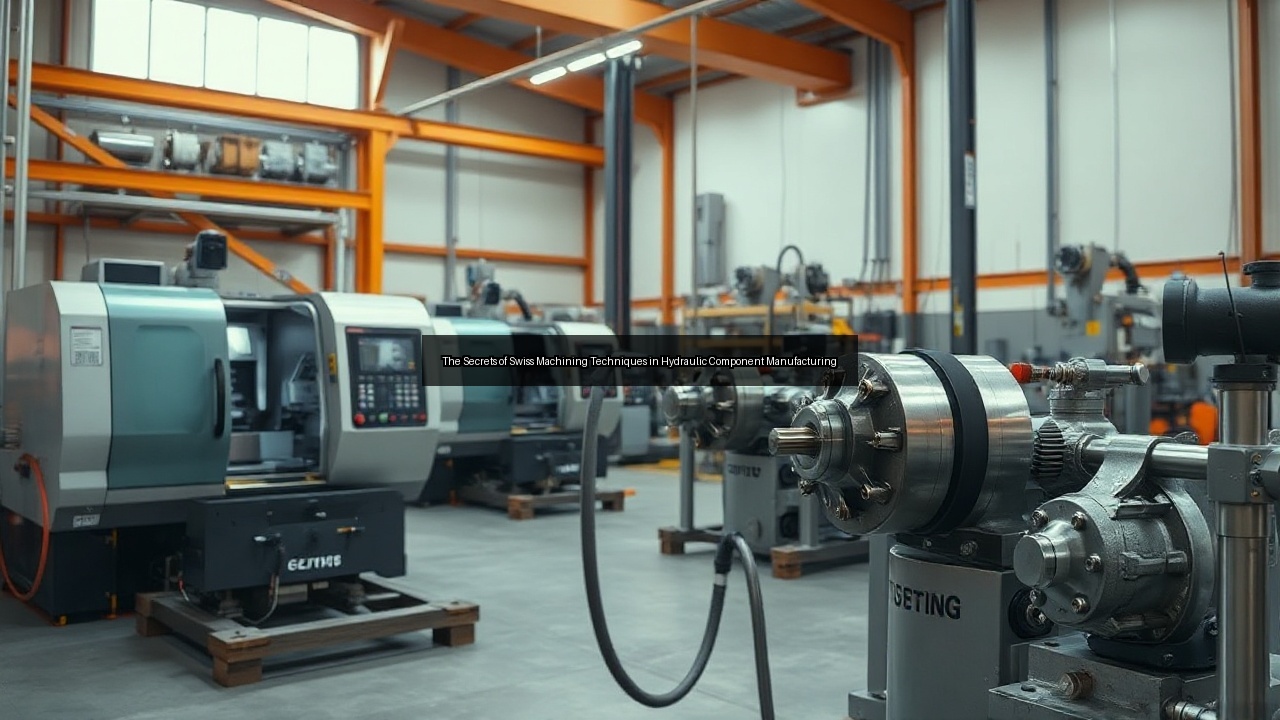
Understanding Swiss Machining Techniques
The Evolution of Swiss Machining
Swiss machining originated in the 19th components machining century, specifically designed for producing precision components with high efficiency. This technique gained popularity due to its ability to create small, complex parts, often required in industries like watchmaking and later, medical and aerospace manufacturing. The unique design of Swiss machines allows for the workpiece to move while the cutting tool remains stationary, resulting in exceptional precision. Over the years, advancements in CNC (Computer Numerical Control) technology have further enhanced Swiss machining, allowing manufacturers to achieve even tighter tolerances and intricate designs. Today, Swiss machining plays a pivotal role in hydraulic component manufacturing, where precision and reliability are paramount.
Key Features of Swiss Machines
Swiss machines are distinguished by their unique construction and functionality. These machines often include a sliding headstock and a guide bushing, which provide superior support for the workpiece during machining. This configuration significantly reduces vibration and enhances the accuracy of the cuts. Equipped with multiple axes, Swiss machines can perform various operations, such as turning, milling, and drilling, in a single setup. The integration of CNC technology allows for automated processes, increasing efficiency while minimizing waste. These features make Swiss machines ideal for the production of hydraulic components like spools and pistons, which require high precision and quality.
Applications in Hydraulic Component Manufacturing
Hydraulic component manufacturing relies heavily on the capabilities of Swiss machining techniques. Manufacturers use these machines to create intricate parts such as valves, fittings, and connectors that must withstand significant pressure and wear in hydraulic systems. The ability of Swiss machines to produce complex geometries with tight tolerances ensures that components function effectively within hydraulic equipment. Furthermore, the efficiency of these machines reduces lead times and enhances overall productivity, making them indispensable in industries such as aerospace, automotive, and marine engineering. Companies engaged in hydraulic component machining leverage these advantages to deliver high-quality products that meet stringent industry standards.
Precision and Tolerances in Hydraulic Component Machining
Importance of Tolerances in Manufacturing
Tolerances play a crucial role in hydraulic component machining. They define the allowable limits of variation in dimensions, ensuring that each part fits correctly within the hydraulic system. Inaccurate tolerances can lead to leaks, inefficiencies, and even system failures, which can result in costly downtime and repairs. Precise tolerances are particularly vital in high-performance applications, such as aerospace and automotive sectors, where safety and reliability are non-negotiable. Manufacturers must implement rigorous quality assurance processes to uphold these tolerances throughout the production cycle. Achieving optimal tolerances requires a combination of skilled machinists, advanced CNC machines, and strict adherence to engineering specifications.
Achieving Precision with CNC Technology
CNC technology revolutionized the machining industry, particularly in achieving high precision for hydraulic components. CNC machining uses computer algorithms to control machine tools, allowing for exact replication of complex designs. This technology enhances the accuracy of machining operations, leading to parts that meet strict tolerances consistently. Additionally, CNC machines reduce human error, ensuring that the hydraulic components produced are uniform and reliable. The ability to quickly switch between different designs also streamlines production, allowing manufacturers to respond swiftly to market demands. Continuous advancements in CNC technology further improve the precision and efficiency of hydraulic component machining, solidifying its place as a cornerstone of modern manufacturing.
Quality Assurance Standards: ISO 9001 Compliance
Quality assurance is paramount in hydraulic component machining, with ISO 9001 compliance serving as a benchmark for manufacturers. This international standard defines criteria for a quality management system, focusing on customer satisfaction and continuous improvement. By adhering to ISO 9001, companies ensure that their machining processes consistently produce high-quality hydraulic components that meet industry specifications. Regular audits and evaluations help manufacturers identify areas for improvement, fostering a culture of excellence. Compliance with ISO 9001 not only enhances product quality but also builds trust with clients, particularly in sectors where precision is critical, such as aerospace and automotive. Ultimately, a commitment to quality assurance elevates the reputation of manufacturers and secures their position in a competitive market.
Materials and Technologies in Hydraulic Component Fabrication
Choosing the Right Tool Steels for Durability
The selection of tool steels is vital in the fabrication of hydraulic components, as these materials directly influence durability and performance. Tool steels, characterized by their hardness and wear resistance, are essential for machining processes that demand precision and longevity. Manufacturers often choose high-speed steels or alloy steels, which offer superior machinability and toughness. These materials withstand the harsh conditions often encountered in hydraulic systems, including high pressures and exposure to various fluids. Additionally, the right tool steels enhance the lifespan of machining tools, reducing downtime and maintenance costs. By investing in quality materials, manufacturers ensure that their hydraulic components can endure demanding applications in sectors like agriculture, construction, and marine engineering.
Corrosion-Resistant Materials in Hydraulic Systems
Corrosion resistance is a critical consideration in hydraulic component fabrication. Hydraulic systems often operate in environments where exposure to moisture and chemicals can lead to deterioration. Manufacturers frequently opt for corrosion-resistant materials such as stainless steel, brass, and certain plastics like PTFE (polytetrafluoroethylene). These materials not only prolong the lifespan of hydraulic components but also maintain their performance under challenging conditions. Advancements in material science have led to the development of innovative coatings and treatments that further enhance corrosion resistance. By utilizing these materials, manufacturers ensure that their hydraulic components function reliably, minimizing the risk of failures and costly repairs over time.
Innovations in Automated Machining Technologies
Automated machining technologies have transformed the landscape of hydraulic component manufacturing. Innovations such as robotics, AI-driven machining, and IoT (Internet of Things) integration enhance efficiency and precision. Automation reduces human error and increases production speed, allowing manufacturers to meet growing demand without sacrificing quality. Advanced machining centers equipped with multi-axis capabilities enable the fabrication of intricate hydraulic components in a single setup. This streamlining of processes minimizes waste and optimizes resource use. As these technologies continue to evolve, they promise to further enhance the capabilities of hydraulic component machining, providing manufacturers with the tools needed to remain competitive in a rapidly changing market.
Applications Across Industries
Hydraulic Components in Aerospace and Automotive
Hydraulic components play a pivotal role in both aerospace and automotive industries, where they are essential for controlling various systems like braking and steering. In aerospace, precision-engineered hydraulic components ensure the safe and smooth operation of aircraft, handling high pressures and extreme conditions. Similarly, the automotive sector relies on robust hydraulic systems for efficient vehicle performance. Manufacturers of hydraulic components must adhere to stringent quality standards to meet the rigorous demands of these industries. The use of Swiss machining techniques in producing hydraulic parts enhances precision and reliability, making them suitable for critical applications. Companies that specialize in hydraulic component machining serve as vital suppliers to both aerospace and automotive manufacturers, contributing to the overall safety and functionality of vehicles and aircraft.
The Role of Machining in Agriculture and Construction Equipment
Machining of hydraulic components is equally important in agriculture and construction equipment. Hydraulic systems in tractors, excavators, and other heavy machinery rely on precision-engineered components for optimal functionality. The durability and efficiency of these hydraulic systems directly impact productivity in the field. Manufacturers focus on creating components that can withstand the rigors of outdoor environments, where exposure to dirt, debris, and moisture is common. Swiss machining techniques provide the necessary precision and quality for critical components like valves and pistons, ensuring that agricultural and construction equipment operate reliably under demanding conditions. As the need for efficient and durable machinery continues to grow, the demand for high-quality hydraulic components remains strong.
Fluid Dynamics and the Performance of Hydraulic Systems
Fluid dynamics significantly influences the performance of hydraulic systems. The design and machining of hydraulic components directly affect how fluid flows within the system, impacting efficiency and responsiveness. Properly machined components minimize turbulence and pressure drops, ensuring that hydraulic systems operate smoothly. Manufacturers must consider fluid dynamics during the design phase to optimize the performance of hydraulic equipment. Innovations in hydraulic component machining, such as improved geometries and surface treatments, enhance fluid dynamics, leading to better system efficiency. As industries increasingly turn to hydraulic systems for power and control, understanding fluid dynamics becomes essential for manufacturers aiming to deliver high-performance hydraulic components.
See Also
- Hydraulic Component Machining Trends in the Construction Industry
- A Guide to Swiss Machining Techniques for Hydraulic System Components
- Mastering Precision in Hydraulic Component Machining for Aerospace Applications
- Navigating ISO 9001 Standards in Hydraulic Component Manufacturing
- How Tolerances Impact the Efficiency of Hydraulic Systems